
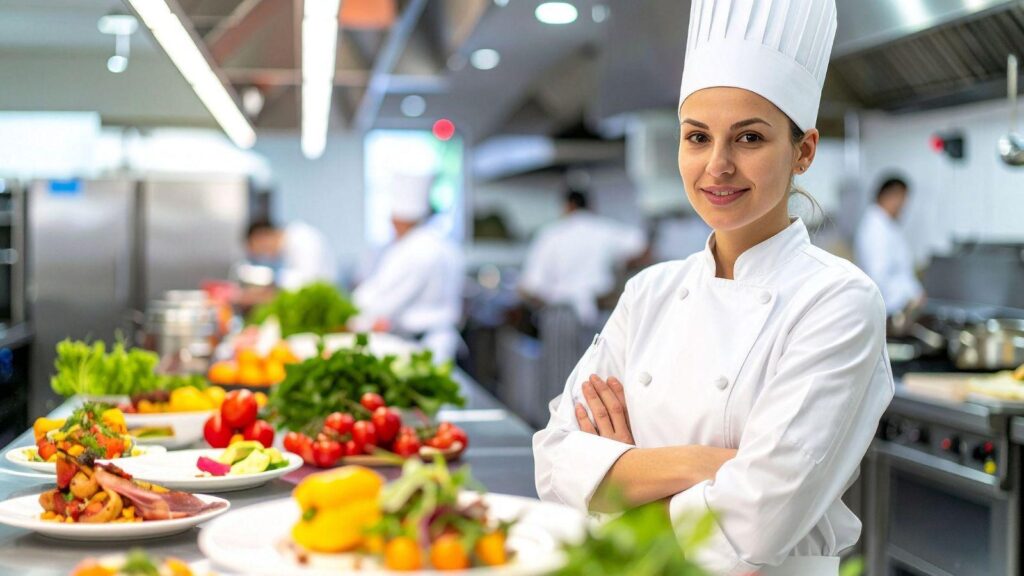
When you sit down at your favorite restaurant and order a meal, the last thing on your mind is probably the storage room in the back. But behind every delicious plate is a careful system designed to keep ingredients fresh, safe, and full of flavor. From crispy salads to perfectly marinated meats, the quality of what ends up on your fork depends heavily on how well a restaurant manages its cold storage.
Restaurants handle food on a massive scale compared to home cooks. They receive large shipments of produce, dairy, meat, and seafood — sometimes daily. To maintain the freshness of all these ingredients, professional kitchens rely on commercial refrigeration systems that go far beyond what you would find in your kitchen at home. These systems are built to handle high volume, run consistently around the clock, and meet strict food safety standards.
Understanding how this works can make you a smarter home cook — and a more appreciative restaurant guest.
Why Cold Storage Is the Heart of Any Kitchen
Food safety starts long before a chef picks up a knife. Once ingredients arrive at a restaurant, they need to be stored at the right temperature immediately. Bacteria thrive in what food safety experts call the “danger zone” — between 40°F and 140°F. If food spends too long in that range, it becomes a health risk, even if it looks and smells perfectly fine.
For restaurants, this is not just a best practice. It is the law. Health departments set strict guidelines on how food must be stored, labeled, and monitored. A single temperature failure can mean spoiled inventory, failed inspections, and worse — sick customers.
This is why professional kitchens invest in high-quality cold storage equipment designed to maintain precise, consistent temperatures at all times. Whether it is a walk-in cooler for fresh produce and dairy or a dedicated unit for raw meats, every cold storage zone in a commercial kitchen serves a specific purpose.
Proper cold storage also reduces food waste. When ingredients are kept at ideal temperatures, they stay fresh longer. For a restaurant operating on tight margins, that difference adds up fast — both in terms of food cost and overall kitchen efficiency.
What Goes in the Freezer? More Than You Might Think
Most people assume that freezing food automatically means lower quality. But in professional kitchens, freezers are used strategically — and thoughtfully. Certain foods freeze exceptionally well, including many proteins, homemade stocks, bread, and baked goods. Smart chefs use freezing as a tool to extend the life of high-quality ingredients without sacrificing flavor or texture.
Restaurants that serve a high volume of customers rely on commercial freezers to store large quantities of food while maintaining consistent quality throughout. These are not the standard chest freezers you would pick up at a home appliance store. Commercial freezers are engineered to bring temperatures down quickly and hold them steady, which prevents the formation of large ice crystals that can damage the texture of food over time.
Blast freezers, for example, can drop the internal temperature of a freshly cooked item within minutes — locking in flavor and freshness in a way that slow home freezing simply cannot replicate. Fine dining establishments use this technique to preserve delicate proteins, sauces, and desserts at their absolute peak quality.
For home cooks curious about applying this idea in their own kitchens, investing in quality airtight freezer bags and removing as much air as possible before sealing can make a noticeable difference. The key is reducing exposure to air, which is the main driver of freezer burn.
The Temperature Numbers Every Food Lover Should Know
Whether you are cooking at home or running a professional kitchen, understanding food storage temperatures is one of the most useful skills you can have. Here is a simple breakdown of the numbers that matter:
- Below 40°F: This is standard refrigerator range. It slows bacterial growth significantly and is ideal for fresh produce, dairy, cooked leftovers, and raw proteins being used within a few days.
- 0°F (-18°C) or below : Standard freezer range. Bacterial growth stops altogether at this point, making it suitable for longer-term storage of proteins, soups, and baked goods.
- 40°F to 140°F: The danger zone. Bacteria multiply rapidly in this range, which is why food should pass through it as quickly as possible — both when cooling down and when heating back up.
- Above 140°F: The safe zone for hot holding. Restaurants keep cooked foods at or above this temperature when holding them for service.
For home cooks, a simple refrigerator thermometer is a worthwhile investment. Many household fridges run a few degrees warmer than the display shows, which quietly shortens the shelf life of your groceries.
How Restaurants Stay Consistent Day After Day
Keeping a professional kitchen running smoothly requires more than just good equipment. It takes discipline, routine maintenance, and smart habits built into every step of the process.
Most restaurants follow the FIFO method — First In, First Out — to make sure older inventory is always used before newer deliveries arrive. Date labels go on every container, and refrigerators are organized so that the oldest items are always at the front. This habit alone prevents an enormous amount of waste.
Temperature checks are done throughout the day. Many modern operations use automated monitoring systems that send alerts directly to a manager’s phone if a unit drifts out of the safe temperature range — sometimes catching a problem before a single item is spoiled.
Regular cleaning and maintenance schedules keep cold storage units running at their best. A dirty condenser coil or a worn door seal can cause a refrigeration unit to work much harder than it needs to, driving up energy costs and creating the kind of temperature inconsistency that puts food at risk.
Bringing It Back to Your Table
The next time you enjoy a beautifully plated dish at your favorite restaurant, you will know a little more about the invisible systems that made it possible. Freshness does not happen by accident — it is the result of carefully maintained cold storage, reliable equipment, and a team that takes food safety seriously at every step.
The same principles that guide professional kitchens apply at home, too. Keep your fridge at the right temperature, do not overpack it so air can circulate freely, label your leftovers with dates, and use the freezer as a tool rather than a graveyard for forgotten food. Small habits like these can significantly improve the quality of every meal you prepare — and help you waste a lot less food along the way.
Great food starts long before it hits the pan. It starts with how you store it.